Can Iguanas Eat Oranges?
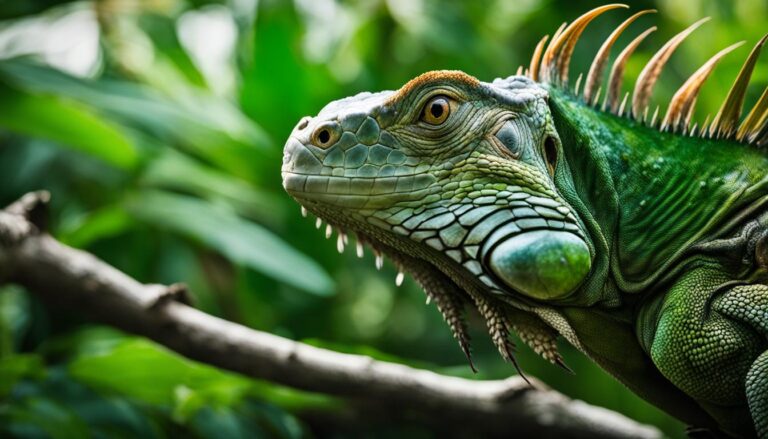
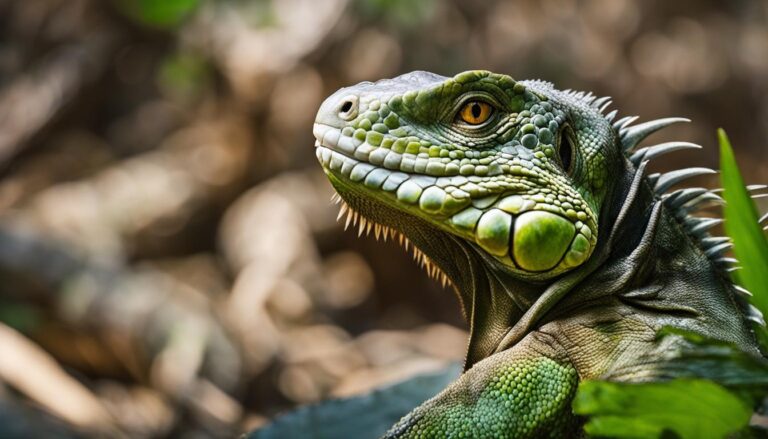
Iguanas are a popular choice for reptile enthusiasts due to their unique appearance and docile nature. These herbivorous creatures require a specific diet to ensure their health and well-being. While their main diet consists of leafy greens and vegetables, it is important to provide them with a variety of foods to meet their nutritional needs. One fruit that is often debated when it comes to feeding iguanas is oranges. In this article, we will explore the nutritional value of oranges for iguanas, whether they can safely consume them, and how much orange should be included in their diet.
Table of Contents
Nutritional Value of Oranges for Iguanas
Oranges are known for their high vitamin C content, which is essential for the overall health of iguanas. Vitamin C helps boost the immune system, aids in wound healing, and promotes healthy skin and scales. In addition to vitamin C, oranges also contain other important nutrients such as calcium, potassium, and fiber. Calcium is crucial for iguanas as it helps maintain strong bones and teeth. Potassium is necessary for proper muscle function and nerve transmission. Fiber aids in digestion and helps prevent constipation.
Can Iguanas Safely Consume Oranges?
While oranges do offer some nutritional benefits for iguanas, it is important to consider whether they are safe for them to consume. Oranges are acidic in nature, which can cause digestive issues in some reptiles. However, iguanas have a relatively high tolerance for acidity and can safely consume oranges in moderation. It is important to note that oranges should only be given as an occasional treat and should not make up a significant portion of their diet.
How Much Orange Should You Feed Your Iguana?
The amount of orange you should feed your iguana depends on their size and dietary needs. As a general guideline, oranges should make up no more than 10% of their overall diet. For smaller iguanas, a small slice or a few segments of orange once or twice a month is sufficient. Larger iguanas can be given slightly larger portions, but it is still important to limit the amount to avoid overfeeding. It is crucial to remember that oranges should not replace their main diet of leafy greens and vegetables.
Preparing Oranges for Iguanas
When feeding oranges to your iguana, it is important to properly prepare them to ensure they are safe to consume. Start by thoroughly washing the orange to remove any dirt or pesticides. Next, remove the peel and pith, as these can be difficult for iguanas to digest. Cut the orange into small, bite-sized pieces, removing any seeds as they can be a choking hazard. It is best to serve the orange at room temperature to make it easier for your iguana to eat.
Other Fruits That Iguanas Can Eat
While oranges can be given as an occasional treat, there are other fruits that are safe for iguanas to consume on a regular basis. These include strawberries, blueberries, raspberries, and watermelon. These fruits are low in acidity and provide additional vitamins and minerals that are beneficial for iguanas. It is important to remember that fruits should only make up a small portion of their overall diet and should be balanced with other foods such as leafy greens and vegetables.
Foods to Avoid Feeding Your Iguana
While there are many fruits and vegetables that are safe for iguanas to eat, there are also some foods that should be avoided as they can be harmful to their health. These include avocado, rhubarb, onions, garlic, and mushrooms. These foods can cause digestive issues or even toxicity in iguanas. It is important to research and consult with a reptile veterinarian to ensure you are providing your iguana with a safe and balanced diet.
Signs of Overfeeding or Underfeeding Your Iguana
It is important to monitor your iguana’s diet to ensure they are receiving the proper amount of food. Overfeeding can lead to obesity and other health issues, while underfeeding can result in malnutrition and stunted growth. Signs of overfeeding include weight gain, lethargy, and a decrease in appetite for their main diet. Signs of underfeeding include weight loss, weakness, and a lack of energy. It is important to adjust their diet accordingly if you notice any of these signs.
Balancing Your Iguana’s Diet with Other Foods
While fruits like oranges can be given as treats, it is important to balance your iguana’s diet with other foods to ensure they are receiving all the necessary nutrients. Leafy greens such as kale, collard greens, and dandelion greens should make up the majority of their diet. Vegetables such as bell peppers, squash, and carrots can also be included. It is important to provide a variety of foods to ensure they are getting all the necessary vitamins and minerals.
Oranges as a Treat for Your Iguana
In conclusion, oranges can be safely consumed by iguanas in moderation. They offer nutritional benefits such as vitamin C, calcium, potassium, and fiber. However, it is important to remember that oranges should only be given as an occasional treat and should not replace their main diet of leafy greens and vegetables. It is crucial to properly prepare oranges by removing the peel, pith, and seeds before serving them to your iguana. By providing a balanced diet that includes a variety of fruits, vegetables, and other foods, you can ensure that your iguana remains healthy and happy.
If you’re curious about what other fruits reptiles can eat, you might be interested in this article on reptilefriend.com. It explores whether chameleons can eat blueberries and provides valuable information on their dietary needs. Just like iguanas, chameleons have specific dietary requirements, and it’s important to know what foods are safe and beneficial for them. So, if you’re looking to expand your reptile’s diet beyond oranges, this article is worth a read!